
There's no magic bullet for understanding consumers. But ethnographic research comes pretty close.
We were working on a household cleaner brand where the fragrance was clearly the hero. Consumers told us they loved it. But we couldn't figure out why it mattered so much, or where to take the product next.
Focus groups weren't helping as people were being very rational: "It smells fresh", “It cleans really well”, "the dreaded ‘good value’". All true yes. But it felt like they were telling us what we wanted to hear.
So we switched tools. Ethnographic research, spending time with people in their own environment, watching what they do, then connecting the dots to what they say. It's slower, messier, but it reveals the things people don't even realize they're doing.
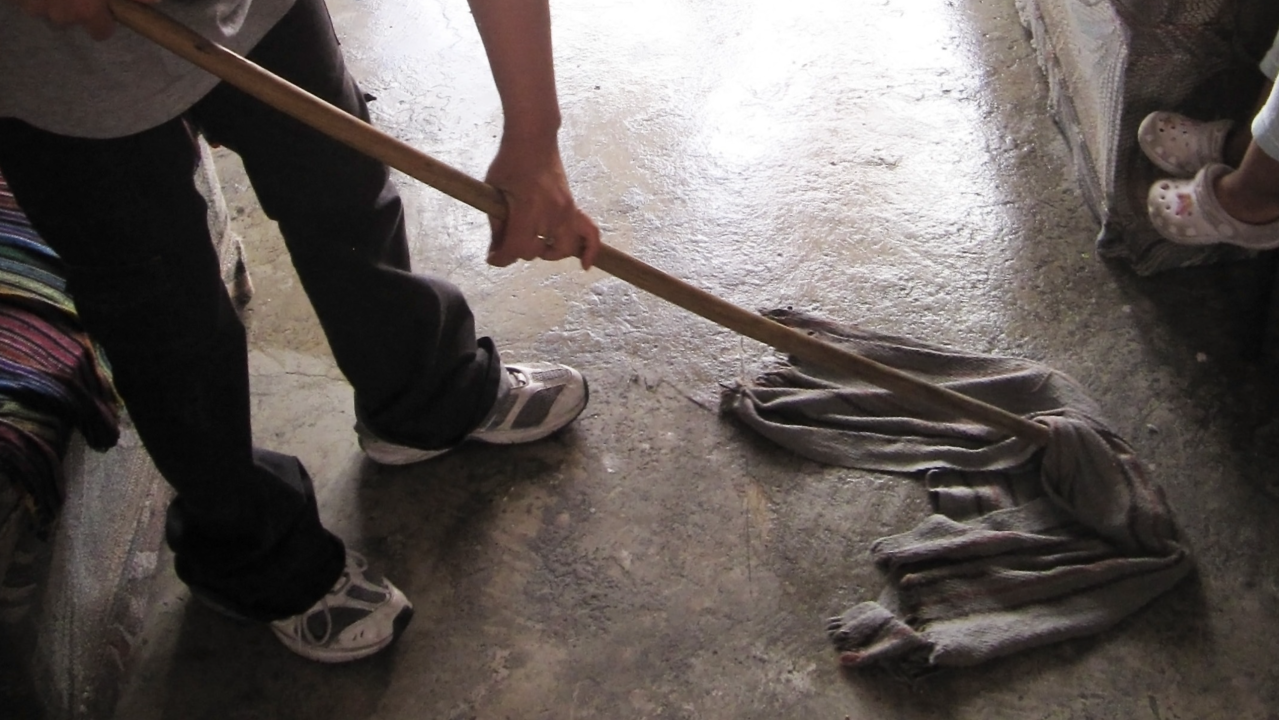
I'm sitting in a woman's kitchen mid-afternoon, which struck me as oddly late to do the cleaning, watching her mop. And I noticed something odd. Generously splashing cleaner everywhere but not really mopping it up. Just spreading it around and leaving it.
I ask why.
"My husband will smell it when he gets home and know I've cleaned."
Right there. That's it.
It wasn't about cleaning at all. It was about someone else noticing she’d put in effort. About recognition. About that moment when someone walks through the door and appreciates her effort.
That's why she did it at 4pm, so the smell would still be strong when everyone got home.
Suddenly the brief changed. We didn't need more fragrance variants. We needed fragrance that lasted longer. So her family would notice long after she’d finished and she'd get that recognition even hours later.
The next product launched around "all-day fragrance." Market share and brand health both climbed.
The insight: Focus groups tell you what people say. Ethnographic research goes deeper and shows what they actually do & why. The gap between these two things is where the real innovation opportunities are.
It takes time. A few days in people's homes. But that investment can completely redirect your pipeline.
If this sounds familiar and you'd like to talk through what you're seeing, reach out.
