
The Zombie Projects Eating Your Innovation Budget Alive
My first encounter with a zombie project arrived around the time zombies were filling films and video games. This one was less bloody but still haunted the business, chewing through time, money and energy. At first, I didn't even recognise what I was looking at.
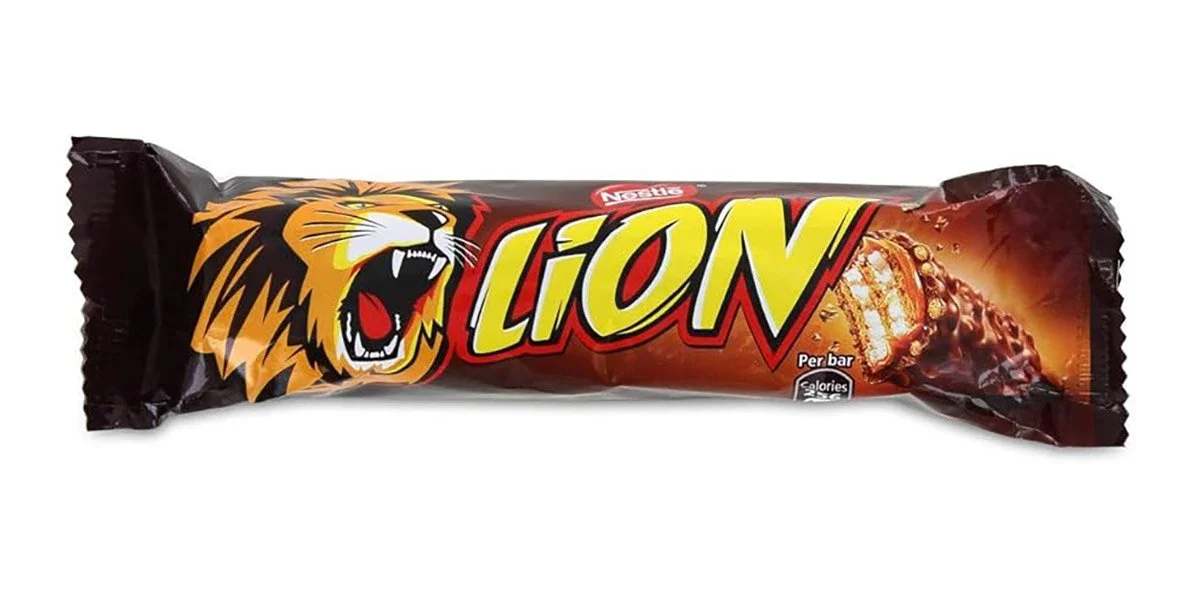
Fresh into Nestlé Confectionery, I partnered with R&D on locally manufacturing an international chocolate bar called Lion. The specs were delicious: crunchy wafer, chewy caramel, crispy cereal, all wrapped in milk chocolate. Great to eat, fun to work on, and loaded with baggage.
From what I could glean, the project had started years earlier off the back of strong UK results and a passionate marketing team that had long since moved on. When I asked why we were still working on it, the answer sounded confident: "It'll be Nestlé's answer to Mars Bar, Snickers and Cadbury Picnic!" And this was the quiet problem.
Lion tasted great, yet it added almost nothing new to the already crowded "hunger buster" segment apart from the seductive imagery of a big strong Lion. Consumers liked it in testing but said it was more of the same. R&D treated this as a challenge: dial up the indulgence, more crispiness, more chocolate. Becoming "even more delicious" would overcome all. After all, isn’t chocolate about being delicious?
By now the project had morphed into a true zombie. No clear consumer gap or strategic role, yet it soaked up talented people's time, research budgets and line trials that other ideas desperately needed. Every time someone questioned it, the answer came back quickly: "We've invested so much and we're so close. We must keep going." Textbook sunk cost fallacy.
Reports suggest zombie projects make up around 30 to 40 percent of the average innovation pipeline. In my experience, almost every business has at least one lurking around, often more. Take a minute to think about your own projects. Which ones have been running for ages without a clear endpoint or a sharp consumer opportunity at the core?
The insight: look forward, not backward. Treat past spend as gone and keep the learning for next time. Ask one hard question: if we'd spent nothing so far, would we choose to start this project today?
In the Lion case, we spent more money on another research study to confirm the incrementality wasn't there. More cost to reach a decision that should have been made earlier. If we'd applied this lens sooner, we would have freed up a large chunk of R&D time and goodwill for ideas with a real chance to grow the category.
If this story brings the shudder of a potential zombie lurking in your pipeline to mind and you want an external view on them, let's talk.
